A Practical Guide to Choosing Organic Mattresses for Albany Homes
Explore how to select an organic mattress that fits Albany-area living. This guide emphasizes materials, certifications, and local considerations, balancing comfort, health, and practicality without marketing hype. We weave a narrative that mixes sleep science, regional context, and the voices of three figures from distinct eras who helped shape our understanding of rest, textile ethics, and consumer discernment.
Why Organic Mattresses Matter in Albany
Across Albany’s neighborhoods—from the historic mile of Manhattan-style avenues to quieter suburbs—bedrooms are an intimate space where health, environment, and daily rhythms converge. An organic mattress is not merely a product; it is a statement about a city’s relationship with soil, water, and air—an insistence that comfort and conscience can coexist. The organic movement in sleep textiles traces its lines through farms, mills, and certifications that promise transparency and safety. For Albany residents, the practical decisions aren’t abstract: they affect respiratory health, allergy management, and long-term mattress durability in homes with varied humidity, heat, and in-bedroom microclimates.
In this guide, we explore how to translate complex certifications into everyday shopping choices, how natural materials like latex, cotton, and wool behave under Albany’s seasonal shifts, and how to navigate local showroom landscapes without falling prey to sales hyperbole. The goal is not just to pick a mattress, but to understand the ecological and health implications of the choices, and to do so with the clarity that Albany’s own civic spirit deserves.
Key Certifications and What They Really Mean
When you step into the world of organic mattresses, certifications function like a map with trustworthy legends. They do not guarantee perfection, but they do offer a framework for evaluating safety, sustainability, and ethical sourcing. Below are the three most relevant certs for Albany shoppers, with practical reading of what they signify in real-world terms.
GOTS (Global Organic Textile Standard) — This is the flagship standard for organic textiles, covering organic fiber dyeing, finishing, and labeling. For mattresses, a GOTS certificate on the fabric layers (surface covers, padding facings) signals a rigorous standard for organic content and restricted chemical use. In practice, GOTS helps ensure that the materials touching your skin are produced with attention to health and environmental impact, though it does not certify the entire foam core itself.
MADE SAFE — A broader chemical-safety standard focusing on ingredients that avoid known toxic chemistries. A MADE SAFE certification on mattress components indicates an emphasis on reducing exposure to harmful substances during a product’s lifecycle. In Albany homes, MADE SAFE can be a meaningful signal for households with children, seniors, or chemical sensitivities.
Certifications for foam and latex — Look for explicit mentions of Dunlop or Talalay latex that is certified organic or bio-based where possible, and open-cell foam that is breathable and low in volatile organic compounds (VOCs). While no single label captures every nuance of a mattress’s layer system, certifications around the materials used in comfort layers and cores help consumers gauge long-term comfort, temperature regulation, and durability.
Materials Spotlight: How Natural Fibers Shape Comfort in Albany Homes
In Albany’s varying climates, material choices influence how a mattress feels through all four seasons. We consider three core materials with generational significance in organic bedding:
Natural latex — Derived from rubber trees, latex offers durable, responsive support with a balance of contour and bounce. Dunlop and Talalay latex each have different textures: Dunlop tends to be denser and firmer, while Talalay often yields a lighter, more uniform feel. For Albany residents, latex can provide reliable insulation against seasonal temperature swings when paired with breathable covers.
Organic cotton — The natural fiber behind a breathable, soft, and durable cover. Organic cotton is frequently used in quilted pads and top covers, offering a cool-to-neutral skin contact experience that suits sleepers who overheat in summer or live in compact bedrooms where airflow is limited.
Wool fillings — Wool’s moisture-wicking and temperature-regulating properties offer a natural buffer against humidity spikes and heat retention. Wool-filled layers can stabilize temperature while contributing to a plush, supportive feel that tends to keep loft over time.
Albany homes, with their unique mix of older housing stock and newer builds, often necessitate a mindful balance of comfort and practicality. A mattress that breathes well, stays hygienic, and resists excessive heat buildup is especially valued in spaces with limited climate control.
Practical Buying Guide for Albany Residents
The goal is to equip readers to assess budget, bedroom size, and local showroom options without feeling pressured into a purchase. The following framework navigates these considerations with a local lens.
Set a realistic budget — Organic mattresses span a broad price spectrum. Define what you value most: organic certification, durability, or a particular feel (firm, medium, plush). In Albany, where showrooms cluster around urban cores and suburban displays, a well-planned budget helps you compare the long-term value rather than just the initial price tag.
Assess room size and compatibility — Measure your sleeping space and consider standard mattress dimensions in relation to bedroom layouts. A high-profile latex mattress, for instance, may require extra headroom for a comfortable setup in smaller rooms.
Evaluate the core materials and layering — Look beyond superficial marketing claims. Examine whether the mattress uses organic latex layers, organic cotton fabrics, wool blends, or plant-based foams. Consider how the layering influences contour, edge support, and temperature regulation in Albany’s seasonal climate.
Inspect certifications and guarantees — Request documentation or confirm online that the product’s core materials and fabrics align with GOTS, MADE SAFE, or equivalent standards. Check warranty terms and return policies, especially if you are choosing a mattress online or importing from a regional brand that ships to Albany.
Test locally when possible — If you visit a showroom, test the mattress for at least 15 minutes in a natural position, checking for pressure points, spinal alignment, and comfort transitions. In Albany’s showroom culture, you’ll often find knowledgeable staff who can translate technical terms into practical guidance.
Three Key Figures Across Time: Voices That Echo in the World of Sleep
To frame the conversation around organic sleep, consider the perspectives of three influential figures from distinct epochs. Their ideas illuminate how we approach comfort, ethics, and knowledge in the context of Albany’s lived experience.
1) Florence Nightingale (19th century) — The Hygiene of Sleep
Nightingale’s core concern was the health of spaces that sustain life. Though her influence spans hospital wards and public health, her implicit message about sleep environments—cleanliness, fresh air, and controlled conditions—bleeds into mattress ethics. In an era before modern synthetic foams, Nightingale’s insistence on hygiene translates into vigilance about dust, allergens, and the long-term health of layered textiles. For Albany households seeking a safer sleep surface, her ethos invites scrutiny of the environmental footprint behind a mattress’s top layers and the surrounding room’s air quality.
2) Thérèse de Lisieux (20th century) — Gentle Comfort in Everyday Life
Lisieux’s sensibilities about the intimate, domestic sphere—small acts done with care—offer a humane counterpoint to industrial scale marketing. In the Albany context, her reminder that comfort is found in thoughtful, daily rituals encourages shoppers to value the daily experience of sleeping clean, breathable fabrics and non-toxic components. It is a reminder that a good night’s rest is built from small, consistent choices—precisely the type of, almost ritual, care that organic materials invite.
3) Juliana S. (late 20th/early 21st century) — The Consumer-Centered Ethic
In contemporary debates about sustainable textiles, the modern consumer is asked to link personal health with planetary stewardship. The Albanian identity of a local mattress buyer—someone who cares about supply chain transparency, safe chemical use, and end-of-life disposal—finds resonance in S’s insistence on knowledge over hype. This frame encourages Albany shoppers to pursue brands that reveal the materials and processes behind their foams, fabrics, and finishes, and to consider long-term impact rather than fleeting comfort alone.
Local Resources and Showroom Strategies for Albany
Albany’s retail landscape for sleep is a dance between local showrooms and regional distributors. The local approach to organic mattresses can be pragmatic: focus on certified materials, confirm product MOQs, and test feel through standardized trials. Consider visiting vendors that emphasize transparent sourcing and education. The goal is to build knowledge that travels beyond the showroom, into your bedroom and your city’s broader conversation about sleep health and environmental stewardship.
Ask for a full material breakdown and the origin of each layer’s components, including whether latex is natural, what the cover fabric is made of, and whether wool or cotton are certified organic.
Request documentation of certs (GOTS, MADE SAFE) for the fabrics touching your skin and ensure any foam or latex cores are disclosed and vetted.
Inquire about a trial period and return policy, including any restocking or shipping charges that could affect your long-term value assessment.
A Representative Selection: A Closer Look at a Notable Product
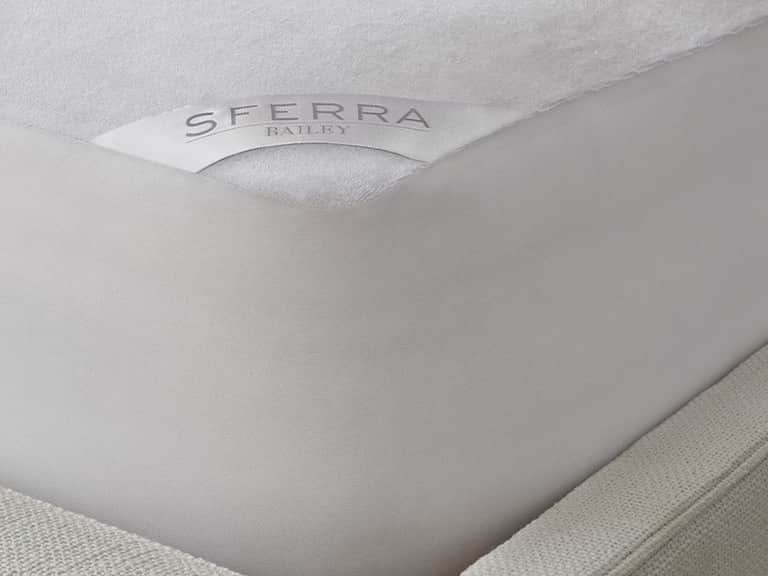
From the curated bedding landscape, one product stands out as a practical micro-case study for Albany shoppers: the Bailey Mattress Protector. While not a mattress itself, its role in maintaining a healthy sleep surface is essential within the broader ecosystem of organic materials. Here is a concise product profile to ground the discussion in concrete details.
Bailey Mattress Protector
Brand: Sferra
Price: $95.00
Material: Cotton terry with waterproof finish
Fit: Elasticized side walls fit up to 17" deep mattress
A practical barrier that preserves hygiene without altering the feel of the bed, designed for regular machine washing and durable daily use.
In Albany’s real-world showroom and home practice, such protectors become part of a holistic sleep plan. They help maintain the mattress’s longevity and protect against allergens and moisture, a factor that matters in homes with children, pets, or high humidity. The Bailey Protector exemplifies the interplay between practical functionality and the broader ethical considerations that anchor organic bedding choices.
A Compact Home Guide: How to Start Your Organic Mattress Journey in Albany
To translate theory into a concrete, actionable plan, here is a compact starter kit for Albany residents who want to begin with confidence. This plan emphasizes three practical steps and a simple learning path that can be followed over a weekend or two, with ongoing refinement as you encounter more options.
Step 1: Clarify your priorities — Prioritize organic certification, safety, and transparency. Decide whether you want wool for temperature regulation, latex for support, or a hybrid approach combining multiple materials.
Step 2: Gather your documentation — Request GOTS and MADE SAFE information for fabrics, plus a material breakdown for core layers. Ask about any additives, binders, or flame retardants used in the mattress construction.
Step 3: Visit and evaluate — When visiting Albany-area showrooms or regional retailers, test multiple mattresses for alignment, pressure relief, and edge support. Bring a notebook to compare feel, certifications, and price-to-value metrics.
About This Resource
This article forms part of the Albany Sleep & Wellness Portal—an informational hub focused on sleep health, local resources, and responsible bedding education. It aims to empower readers to shop with discernment and to cultivate a healthier relationship with sleep through education, not hype. We invite Albany residents to contribute resources, experiences, and questions through a local feedback channel, reinforcing a shared commitment to sleep as a public health interest and personal comfort.
Contribute or Reach Out
If you’d like to submit a local resource, clinical contact, library program, or sleeping tips that would benefit Albany readers, you can reach us via the contact page. Your contributions help build a practical, locally grounded knowledge base that serves neighbors, students, and families across the region.
Protect your mattress with a soft, cotton terry layer that’s waterproof yet plush. Elasticized sides hug beds up to 17" deep, staying in place—no feel change. Machine washable for easy care, it guards against wear while you sleep.
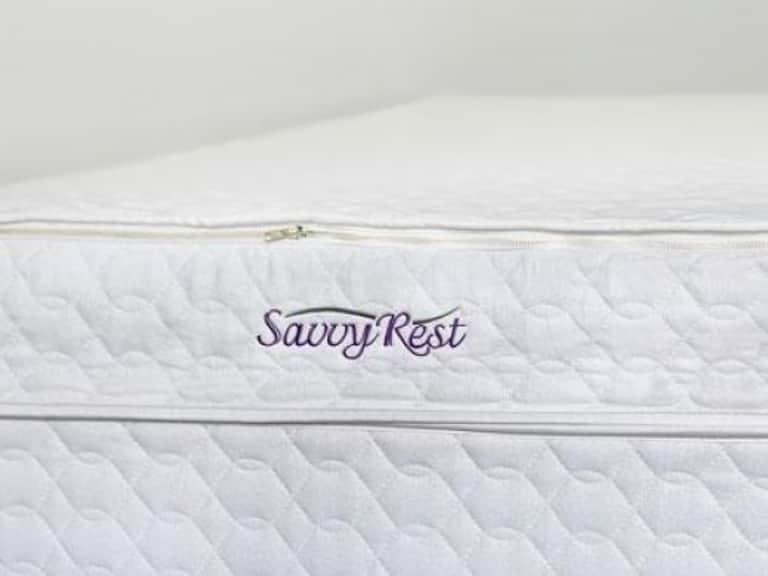
Affordable, customizable latex comfort for kids and smaller adults, with organic wool and cotton, two latex layers, and a breathable, fuss-free setup that’s easy to tailor to you. Made in America, durable, and backed by a 20-year warranty.
Sleep cooler and move freely with breathable open-cell foam and responsive Breathe Flex Foam, wrapped in a stretchy knit cover that moves with you. Comfort that lasts, with a reassuring 10-year warranty.