Mattress guide
What to Consider When Comparing Obasan Mattresses
Choosing a mattress is an exercise in translating vague sensations—“supportive,” “soft,” “too warm”—into the particulars of materials, construction, and daily life. If you are comparing Obasan mattresses, begin with how you sleep and what you expect a natural-latex bed to feel like. Then look past the labels to the details that will matter once the showroom lights are off.
Published October 26, 2026
A mattress is a curious household object: expensive, mostly unseen, and expected to improve a third of one’s life without making a fuss about it. The difficulty is that the language used to describe mattresses can be more confident than the experience itself. “Medium,” “plush,” and “orthopedic” may sound like firm coordinates on a map; in practice, they are only starting points. Bodies differ, bed partners differ, bedrooms differ, and even the same sleeper may have different needs from one season—or one decade—to the next.
That makes a comparison of Obasan mattresses less a hunt for a universally correct model than a process of discovering which construction and feel suit your household. Natural latex may appeal to someone looking for buoyant support and a material with a different character from conventional foam. But “natural latex” alone does not tell you whether a particular mattress will feel right, how its layers are arranged, what care it requires, or whether its firmness is appropriate for your preferred sleeping position.
A useful comparison holds two questions in view at once: What is this mattress made of, and how does it behave beneath me? The first can be answered with specifications. The second requires attention, a little patience, and, where possible, trying the bed in person.
Start with the sleeper, not the label
Before studying model names or firmness descriptions, take stock of your ordinary nights. Do you fall asleep on your side, back, or stomach? Do you change positions? Do you wake with pressure at the shoulder or hip, or with a sense that your lower back has not been well supported? Do you sleep alone, or does another person’s movement travel across the bed? These are more useful questions than asking whether you prefer a “soft” or “firm” mattress in the abstract.
Sleeping position can help frame the comparison, though it should not be treated as a rulebook. Side sleepers often need enough give at the shoulder and hip to avoid concentrated pressure, while still receiving support through the waist and torso. Back sleepers may look for a surface that lets the hips settle without allowing the midsection to sag. Stomach sleepers commonly prefer a more supportive feel that limits excessive sinking. Yet body shape, weight distribution, mobility, and personal comfort all influence what works.
Firmness is not the same thing as support. Firmness describes the initial impression of the surface; support is about how well the mattress keeps the body comfortably aligned over time. A mattress can feel quite firm at first and still fail to suit a particular sleeper. Conversely, a mattress with a softer top feel may have deeper layers that provide substantial support. When comparing options, notice both the first contact and the way your body feels after several minutes in your usual sleeping position.
It can help to keep a short note on your phone: sleeping position, pressure points, temperature concerns, and what you liked or disliked about your current mattress. This is not a scientific trial, but it offers a useful counterweight to the showroom’s persuasive vocabulary. “My shoulder feels compressed when I lie on my side” is a more actionable observation than “I think I like medium.”
Understand what natural latex means—and what it doesn’t
Natural latex is made from rubber-tree sap, processed into a resilient foam. In a mattress, latex is used in layers that may differ in thickness, density, firmness, and position within the overall construction. Its feel is often described as responsive or buoyant: the surface tends to push back rather than envelop the body in the slower, more sinking sensation associated with some other foams. That distinction is worth testing, because comfort is as much about the manner of response as the degree of softness.
People sometimes approach natural latex as if the material itself settles the question. It does not. Two mattresses that both contain latex can feel quite different depending on the arrangement and characteristics of their layers, the cover, the base, and the way the mattress is assembled. Ask for the construction details rather than relying on a single phrase on a product page. If information is not clear, ask what each layer does and how the complete mattress is intended to feel.
It is also useful to distinguish natural latex from other materials that may be described as latex-like or latex-blend. Ask what the mattress contains, which components are natural or synthetic, and whether the manufacturer provides material documentation. Product terminology varies, and a precise answer is more helpful than an impression created by a broad label.
Some shoppers are drawn to latex because of its resilient feel, its material origin, or the possibility of choosing among different layer configurations. Others may find its springier response unfamiliar, or prefer the closer contouring of another type of foam. Neither reaction is a verdict on the material. It is a reminder that mattress materials have physical personalities, and that a specification sheet cannot tell you whether you enjoy living with one.
Compare construction, not just firmness names
When evaluating Obasan mattress options, compare the complete construction wherever those details are available. Look for the number and order of layers, their thickness, the stated firmness or density, and whether the design permits customization or adjustment. These details matter because the mattress is a system: the upper layers influence the first impression and pressure relief, while lower layers contribute to deeper support and stability.
A firmness label can help narrow a choice, but it is not a standardized measurement that guarantees the same sensation across brands—or even across people. One person’s “medium” may feel plush to another, particularly when their body weight and sleeping position differ. If you are comparing a model described as medium with one described as firm, ask what those terms mean in the maker’s own range, and whether the underlying construction changes as well.
Pay attention to the mattress cover, too. It is the part in direct contact with sheets and bedding, and it can influence the surface feel, breathability, and care routine. Ask whether the cover is removable, whether it can be washed, and what the manufacturer recommends if it becomes soiled. Never assume that a removable cover is machine-washable; the care label and warranty terms are better guides than intuition.
Layer configuration may have implications beyond initial comfort. If a mattress is designed to be adjusted or reconfigured, ask how that process works, whether it requires a professional, and what costs or limits apply. “Customizable” can mean several different things. A clear explanation should identify what can be changed, how often, and whether a change affects the warranty.
For a fair comparison, write the details side by side. One row might list materials; another, layer arrangement; another, firmness choices and fit with your bed frame. This small act of bookkeeping can make a surprisingly large difference. It helps keep a memorable showroom sensation from obscuring practical questions you will care about later.
If you share a bed, compare for two
A mattress chosen by one person and occupied by two is a negotiation conducted in the dark. Partners may have different preferred firmness, different sleeping positions, or different sensitivities to movement and temperature. Before comparing models, discuss the nightly irritations that matter most: waking when the other person turns, competing ideas of softness, or one sleeper consistently drifting toward the edge.
Latex’s responsive feel may suit some people who dislike being deeply enveloped, but the way a mattress handles movement depends on its full construction. If motion transfer is a concern, test it rather than guessing from the material name. One partner can lie still while the other changes position, then switch. The exercise is simple, slightly theatrical, and more informative than debating a phrase such as “excellent motion isolation” without knowing how it feels to you.
Also consider whether the mattress can accommodate different needs on each side. If a particular Obasan configuration offers split or adjustable comfort, confirm the available choices and how the center of the bed behaves. If it does not, you may need to decide which compromise is most comfortable for both people. Couples should not assume that a shared mattress has to produce identical sensations on both sides; ask what options are actually offered.
For larger households, think beyond the adults. Children may climb into bed; pets may sleep at the foot; a caregiver may need to sit or lie beside someone. These are not peripheral concerns. They affect the importance of cleanability, edge stability, and a realistic understanding of what the mattress is expected to withstand.
Consider your room, foundation, and everyday habits
A mattress does not exist in a catalog. It has to pass through a doorway, fit a frame, and coexist with the habits of a particular household. Before purchase, measure the bedroom entrance, stairways, hall turns, and bed frame. A mattress that arrives compressed or in separate components may be easier to move than one delivered fully assembled, but the delivery method should be confirmed rather than assumed.
Check the foundation requirements carefully. Some mattresses need a stable, supportive base with slats spaced within a specified distance; others may have different recommendations. Using an unsuitable foundation could affect comfort and, depending on the warranty terms, coverage. Confirm that your existing frame is compatible, and ask whether the mattress needs a center support rail or particular leg arrangement in larger sizes.
Room temperature and bedding also shape the experience. A mattress’s perceived warmth is influenced by the sleeper, the room, pajamas, sheets, comforter, and airflow around the bed. If you tend to sleep hot, ask about the complete construction and cover, but do not expect any one material to solve every temperature issue. A lighter comforter, breathable sheets, or adjustments to the room may be equally relevant.
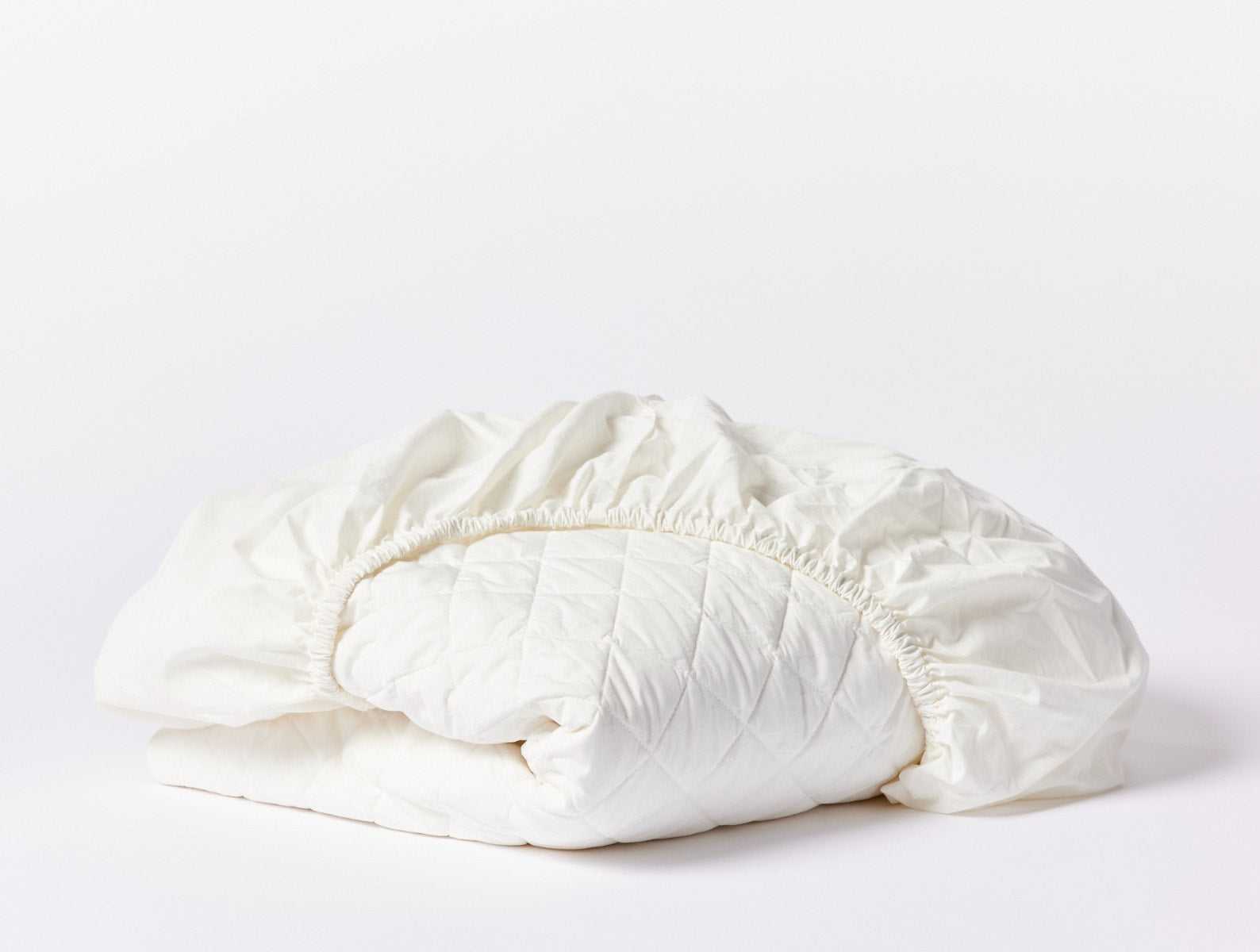
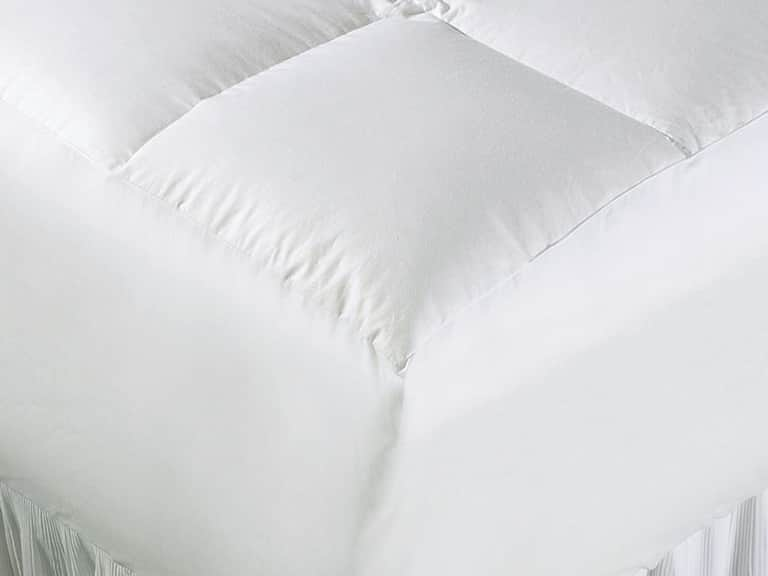
Care deserves the same practical attention. Ask what to do about spills, whether rotation is recommended, and whether the mattress has any special handling instructions. Find out whether the cover should be protected by a fitted sheet or mattress protector, and make sure a protector will fit the mattress’s depth without pulling the bedding tight. These details are not glamorous, but the mattress will be part of an ordinary household, where coffee, laundry, pets, and moving day all have their say.
Read the trial period and warranty with care
Comfort can change after the first few minutes on a new bed. A trial period, if offered, gives a buyer time to learn how the mattress feels through ordinary nights rather than a brief showroom visit. Read the conditions before relying on it: the length of the trial, any minimum break-in period, return or exchange fees, pickup arrangements, and whether a protector is required. Policies can vary by retailer, location, and purchase date.
A warranty answers a different question. It generally addresses specified defects under stated conditions; it is not a promise that the mattress will remain subjectively comfortable forever. Look for the definition of a covered defect, any required foundation, the process for making a claim, and exclusions related to stains, misuse, or improper support. Keep the receipt and relevant product information somewhere you can find them.
If a salesperson describes a policy verbally, ask for the written version. This is not distrust; it is ordinary clarity. A mattress is a long-term household purchase, and the terms that matter most are often the ones people do not think to ask about until something goes wrong.
Make the showroom visit useful
Trying a mattress in a store is not the same as sleeping on it, but it can still reveal important things. Wear comfortable clothing, remove bulky outer layers, and lie down in your usual position for several minutes. If you normally sleep with a partner, try the bed together. Move naturally. Notice whether your shoulder and hip feel pressured, whether your back seems supported, and whether the surface responds in a way you enjoy.
Try more than one firmness, but change only one variable at a time when possible. If every feature changes between tests, it becomes difficult to tell what produced the difference. Ask the retailer to identify the exact model and configuration you are testing, and record it. Store displays can sometimes differ from the version delivered, so confirm that the specifications match.
Use questions that invite concrete answers:
- What materials are in each layer, and how are those layers arranged?
- What does the firmness description mean within this specific range?
- Are there configuration or adjustment options, and what do they cost?
- What foundation is required, and will my current frame meet those requirements?
- What are the care instructions, trial conditions, and warranty exclusions?
A good comparison does not require a dramatic revelation. It may end with one mattress feeling less distracting than another, which is a modest but meaningful result. Comfort often announces itself not as excitement but as the absence of a complaint.
A simple way to choose
Once you have gathered the details, resist the temptation to treat every feature as equally important. Identify your two or three priorities. For one person, these might be shoulder pressure and a responsive surface; for another, temperature comfort and easy care. A long list of desirable attributes can make every option seem inadequate. A short list clarifies which trade-offs are acceptable.
Compare each mattress against the same questions: Does it suit your usual position? Does its feel work for your body and any bed partner? Do you understand its materials and construction? Can it be used with your foundation? Are the care instructions practical? Are the trial and warranty terms clear? This method makes the choice less dependent on advertising language and more connected to the realities of your home.
It may also help to distinguish a preference from a requirement. A certain fabric or material certification may be important to you; so may the ability to adjust a layer later. A particular color or a luxurious-sounding descriptor may be less consequential once the bed is made. Knowing the difference can make a comparison calmer, and calm is not a bad quality to bring to a mattress purchase.
The useful comparison is the one that fits your life
Comparing Obasan mattresses is ultimately a practical inquiry, not a contest to identify the most impressive specification. Natural latex offers a distinctive material and feel, but the right choice depends on how the layers are assembled, how you sleep, what your household needs, and whether the care and policies suit your circumstances. No single firmness label can answer all of that.
Take your time with the details. Test the surface in the position you actually use. Ask how the mattress is built, what the words on the label mean, and what happens after delivery. Consider the frame beneath it and the people who will share it. If the answers are clear and the feel seems promising, you will have a more grounded basis for deciding—one that extends beyond the showroom and into the quieter business of getting through the night.